
Summer in Moncks Corner, South Carolina, brings intense heat that can do more than make your commute sticky. If you've been wondering, "Does hot weather affect tire pressure?" - the short answer is yes, and it matters more than most drivers realize. Understanding how heat impacts your tires can help you avoid unsafe driving conditions, unnecessary wear, and even decreased fuel efficiency.
How Heat Changes the Air Inside Your Tires
Hot weather seriously affects tire pressure. As ambient temperatures rise, the air molecules inside your tires move faster and expand, which increases the internal pressure. A general rule of thumb is that tire pressure increases by about 1lb. per square inch for every 10-degree rise in temperature. On a hot August afternoon, that can add several pounds per square inch beyond your recommended level.
Overinflated tires have a smaller contact patch with the road. That reduces traction and makes your ride harsher. It also causes uneven wear across the center of the tread, shortening the life of the tire. Worsened handling also requires more energy from your vehicle to correct, which can lead to loss of fuel efficiency.
The Role of Driving in Rising Tire Pressure
Ambient heat is only part of the equation. Hot weather affects your tire pressure even more when you're actually driving. Friction between the tire and the road generates additional heat during normal driving, which compounds the effect of already-warm summer temperatures. This is why Ford recommends checking tire pressure when tires are cold, before you've driven more than a mile. If you check pressure after a long drive on a hot day, you'll get a higher reading that doesn't reflect your actual baseline. Early morning checks are ideal during the summer months.
What Happens When Tires Are Underinflated in Summer?
Here's where things get more serious. If your tires started the day underinflated and heat causes them to reach a normal-appearing pressure level, you might miss the underlying problem. Underinflated tires flex more, generate excessive heat internally, and are more susceptible to blowouts, which are already more common in summer due to hot pavement.
Signs your tires may be underinflated include sluggish steering response, increased fuel consumption, and visible bulging along the sidewalls. Regular pressure checks throughout August can help you stay ahead of these issues.
Checking and Adjusting Tire Pressure the Right Way
Does hot weather affect tire pressure enough to change your maintenance routine? It should. During summer, plan to check your tire pressure at least once a week. Use a reliable gauge and reference the recommended PSI listed on the sticker inside your driver's door—not the number printed on the tire sidewall itself.
If adjustments are needed, add or release air in small increments and recheck. If you're consistently finding pressure fluctuations or noticing unusual wear patterns, it may be time to have a professional inspection performed.
Ford Tire Service in Moncks Corner, SC
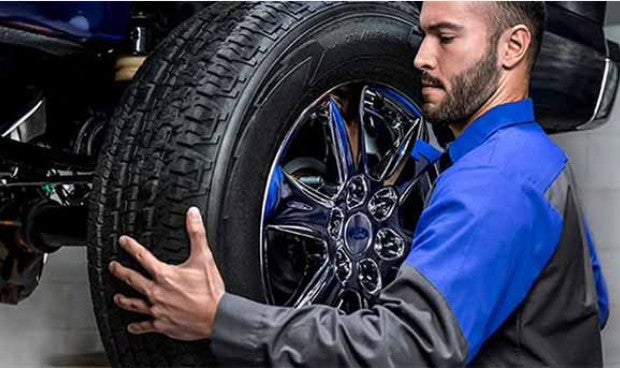
Keeping up with tire maintenance on your own is a great habit, but sometimes you need a trained eye. Ford tire service is available in Moncks Corner, SC at Berkeley Ford to help you stay safe all summer long. Our certified technicians can inspect tread depth, check for sidewall damage, rotate tires, and ensure everything is properly inflated for current conditions.
Whether you drive an F-150, Bronco, Explorer, or any other Ford vehicle, regular tire service keeps you protected when temperatures soar. Ford Mobile Service also offers the convenience of bringing service to your location, so your summer schedule doesn't have to slow down.
Stay Safe This August With the Right Tire Care
Can hot weather affect tire pressure enough to cause real problems? It can—especially during peak summer heat. Taking a few minutes each week to check your tires, and scheduling professional service when needed, goes a long way toward safer driving in Moncks Corner, SC. Stop by Berkeley Ford or schedule an appointment to get your tires inspected before the hottest weeks of the year take a toll on your ride.